

Let’s cut through the noise of power smoothies and kale everything for a second—because sometimes, the real wellness gold is hiding in the spice cabinet. Yes, we’re talking about the unassuming holy trinity of Ayurvedic herbs: cumin. Coriander. Fennel. Otherwise known as CCF Tea—a classic blend that’s basically the crème de la crème of digestive detox tonics.
This isn’t some random trend. CCF Tea has been revered in Ayurvedic traditions for centuries, not just for gently resetting digestion, but for real deal cleansing that reaches from your gut to your brain.
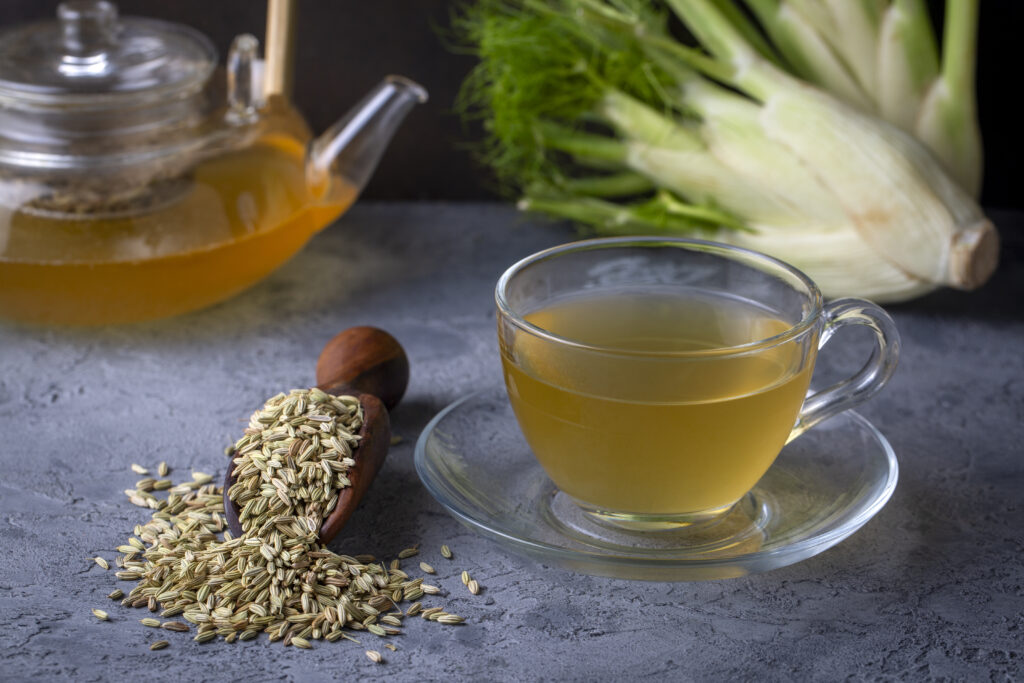
What Is CCF Tea and Why Should You Care?
If you’ve ever been bloated, brain-foggy, anxious, or constipated—aka human—your agni (digestive fire) may be smoldering instead of blazing. According to Ayurveda, agni governs not just how you digest food, but how you process thoughts, emotions, and even life experiences.
Here’s where CCF tea enters like a gentle, earthy superhero.
CCF stands for Cumin, Coriander, and fennel—three seeds that, when brewed together, help:
- Stimulate digestion without overheating the system
- Eliminate toxins (ama) from the GI tract
- Balance the doshas (especially Vata and Pitta)
- Calm the nervous system
- Boost mental clarity
Unlike harsh detoxes that can deplete you, CCF tea nourishes while it purifies. It’s like a warm hug and a digestive spa, all in one cup.
The Science Behind the Spice
We get it. Tradition is great, but science still calls the shots in your left brain. So, here’s what research has to say about the CCF power trio (please check sources at the end of the article and check our disclaimer at the bottom of the page):
1. Cumin (Cuminum cyminum)
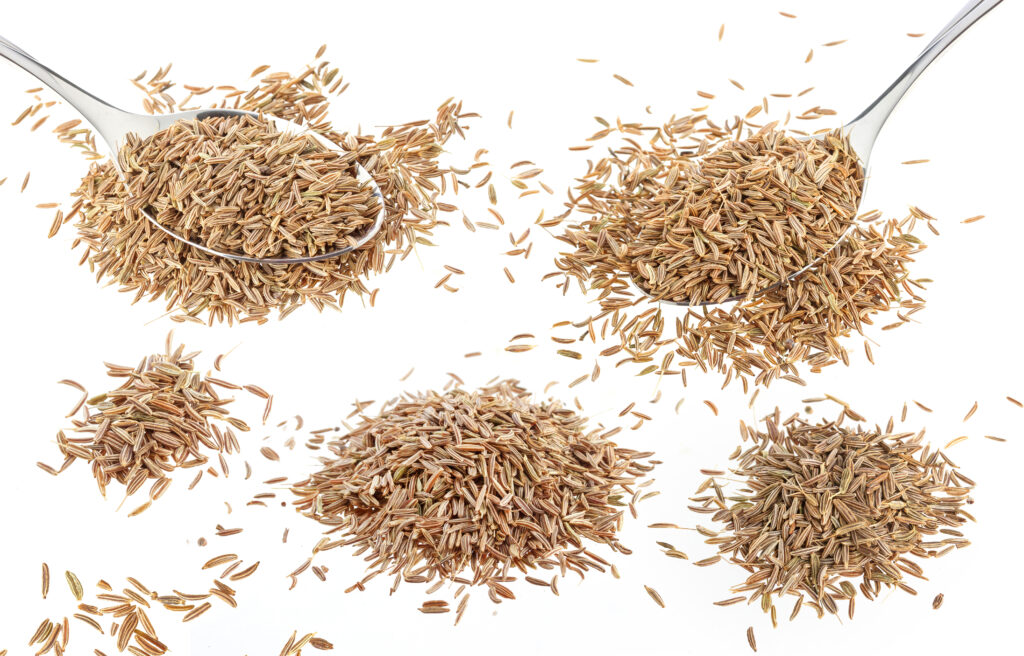
Rich in antioxidants and iron, cumin supports enzyme production and bile flow, which are critical for digestion and liver detoxification. Cumin seeds are rich in various bioactive compounds, including cuminaldehyde, which exhibits significant antioxidant properties. Cuminaldehyde, a major component of cumin essential oil, may induce learning. And memory enhancement effects. (Pls check all sources below). Oxidative stress is a major contributor to neurodegenerative diseases and cognitive decline. By combating free radicals, cumin may help protect brain cells. Cumin possesses anti-inflammatory properties by suppressing pro-inflammatory pathways in the body. Chronic inflammation is increasingly recognized as a key factor in neurodegenerative disorders. Even though most of the research on cumin’s neuroprotective and cognitive benefits has been conducted in animal models and more research on humans is needs, it is clear that by reducing inflammation, cumin may indirectly contribute to a healthier brain environment.
2. Coriander (Coriandrum sativum)
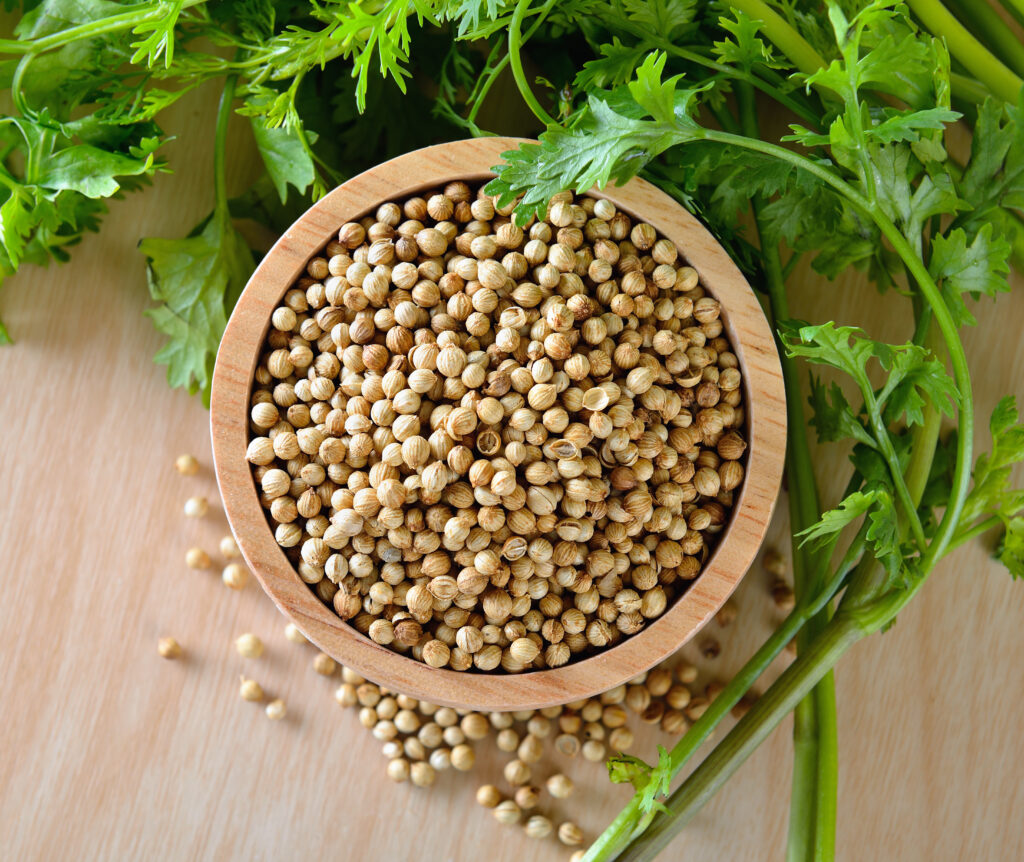
Coriander seeds are cooling, soothing, and known to flush excess heat and toxins. They’re packed with linalool, a compound that has anti-anxiety effects and helps balance blood sugar. Linalool have demonstrated neuropharmacological effects that also include properties such as sedative, anticonvulsant, and potentially anti-Alzheimer’s. Research in mice has indicated that coriander leaves can improve memory.
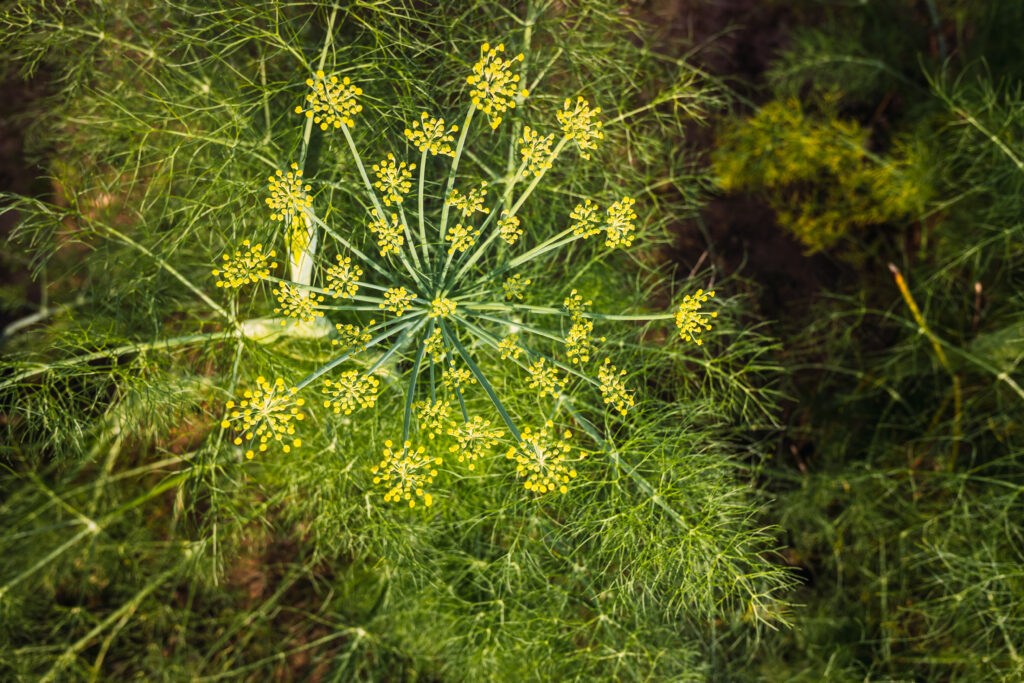
3. Fennel (Foeniculum vulgare)
A digestive superstar that eases gas, bloating, and cramps. Fennel is also a natural phytoestrogen, which can help with hormonal balance and mood stabilization. Fennel seeds have a history of being used to improve memory and cognitive function in traditional medicine. Some cultures recommend chewing fennel seeds before tests or presentations. These memory-enhancing effects are potentially attributed to:
Anticholinesterase activity: Inhibiting the breakdown of acetylcholine, leading to higher levels of this neurotransmitter in the brain.
Antioxidant properties: Fennel contains various antioxidants like Vitamin C and quercetin, which can combat oxidative stress, a key factor in neurodegenerative diseases.
Anti-inflammatory properties: Inflammation in the brain is linked to cognitive decline. Fennel’s anti-inflammatory effects may help protect brain function.
Protection Against Neurodegenerative Diseases: Some research suggests that fennel may have neuroprotective properties relevant to conditions like Alzheimer’s disease and dementia.
Menopausal Symptoms: Research on postmenopausal women found that fennel consumption could positively impact psychological well-being, potentially alleviating symptoms like anxiety and improving quality of life.
Here’s where things get juicy. When digestion improves, so does gut-brain communication. You produce more serotonin (90% of which is made in the gut), reduce inflammation that fogs up your thinking, and feel less anxious. That’s why CCF Tea isn’t just a digestive tonic—it’s a brain balancer.
In Ayurveda, a calm gut equals a calm mind. The act of sipping warm herbal tea alone signals safety to your nervous system, nudging you into a parasympathetic (“rest and digest”) state.
No need for a PhD in herbal medicine. Here’s how to make CCF tea at home …
Ingredients:
- 2 teaspoons CCF Tea (or equal parts cumin, coriander, and fennel seeds)
- 2 cups filtered water
- Optional: honey (for Vata/Kapha), lime (for Pitta)
Directions:
- Add the seeds to water in a small saucepan.
- Bring to a boil.
- Reduce heat and simmer for 5–10 minutes.
- Strain and sip warm—or let it cool to room temp for a summer detox tonic.
Pro tip: Store a larger batch in a thermos and sip throughout the day for sustained benefits.
Final Sip: CCF Tea as a Ritual
In our world of trendy cleanses and quick fixes, the CCF ritual reminds us that healing doesn’t need to be dramatic. Small, consistent habits—like a daily cup of this golden brew—can rewire your body, clear your mind, and bring you home to yourself.
So next time you’re reaching for a reset, skip the celery juice. Brew up a pot of Ayurvedic brilliance instead.
You can grab organic, ready-to-brew CCF Tea from our trusted partner Banyan Botanicals. Because life is too short to measure spices every morning, right? Plus, you’re supporting ethical sourcing and holistic health with every sip.
Bee Healthy, Bee Well!
Sources:
https://pubmed.ncbi.nlm.nih.gov/34745916
https://pmc.ncbi.nlm.nih.gov/articles/PMC4137549
https://www.mdpi.com/2813-2998/2/2/27