
As women, our bodies hold wisdom — and our bones, quite literally, carry us through life. Magnesium is often celebrated for calming anxious nerves, helping sleep, stabilizing mood — those roles are real and essential. But did you know that your magnesium intake — not just calcium — may be quietly shaping the strength of your bones?
Magnesium is involved in over 300 enzymatic reactions in your body. It regulates muscles, mood, hormones — and yes, bone metabolism.
Unlike calcium, which often gets the spotlight, magnesium quietly supports bone health by:
- Helping to build bone crystal structure (hydroxyapatite)
- Regulating parathyroid hormone (which controls calcium release from bones)
- Supporting vitamin D activation
- Calming inflammation and oxidative stress, which weaken bone integrity over time

According to PUBMed (see link in sources), A large study of over 73,000 women found that those with the highest magnesium intake had significantly higher bone mineral density than those with the lowest.
In a world and age where we strive for longevity, productivity, and especially freedom, bone health sets the foundation. Now comes the truth: Many women are magnesium-deficient__ and don’t even realize it. The scientific word is: Up to 50% of women consume less than the recommended 320mg/day. The fact is, menopausal women have a sharp menopausal drop. The medical interpretation is that bones may not mineralize fully, and that estrogen loss affects absorption. Low magnesium means lower bone mineral density (BMD). According to experts, the hips, spine, and femur are most affected. In functional and holistic health evaluations, bone scans are just part of the equation. The thought goes beyond: What are the root causes of loss? Magnesium depletion many times, is one of them. Magnesium deficiency in the science of Ayurveda (usually manifested through anxiety, insomnia, irritability, and restless legs) is associated with an unbalanced vata energy.
In this article, let’s jump through the science, the wisdom, and the self-care to understand why magnesium matters for your bones, and how.
Bone mineral density (BMD) and fracture risk
A systematic review & meta-analysis in older adults found that higher magnesium intake is associated with significantly greater bone mineral density at the hip and femoral neck. PubMed

Osteoblast / osteoclast balance & mineralization
- Magnesium is needed for the activity of phosphatases, which are enzymes helping mineralization of bone. When magnesium is insufficient, this can reduce mineral deposition. Frontiers+1
- It helps in bone cell differentiation: osteoblasts (which build bone) are supported, and the overactivity of osteoclasts (which break bone down) is kept in check. Frontiers+2PMC+2
Parathyroid hormone (PTH), Vitamin D interaction & calcium metabolism
- Magnesium influences the secretion and action of parathyroid hormone (PTH), which in turn regulates calcium levels and bone turnover. When magnesium is low, PTH secretion can be impaired, calcium absorption altered, leading to poorer bone health. Frontiers+1
Also, magnesium plays a role in converting vitamin D into its active form so that calcium absorption is efficient. Without enough magnesium, even with good vitamin D and dietary calcium intake, those nutrients may not be used optimally. Frontiers+1
- about 60% of the body’s magnesium is stored in bones. Our skeletal system is a major reservoir. PMC
- That means bone health both depends on adequate magnesium intake and also acts as a buffer for other systems; low magnesium over time depletes these stores. PMC+1
Magnesium is primarily processed in the body through absorption in the intestines. Once absorbed, magnesium is distributed to tissues. Storage is through bones and muscles, kidneys. The kidneys then regulate magnesium levels by reabsorbing most of it, while excreting any excess in the urine.

In the BeewellNews spirit, here are what these insights mean for us, beyond the clinical:
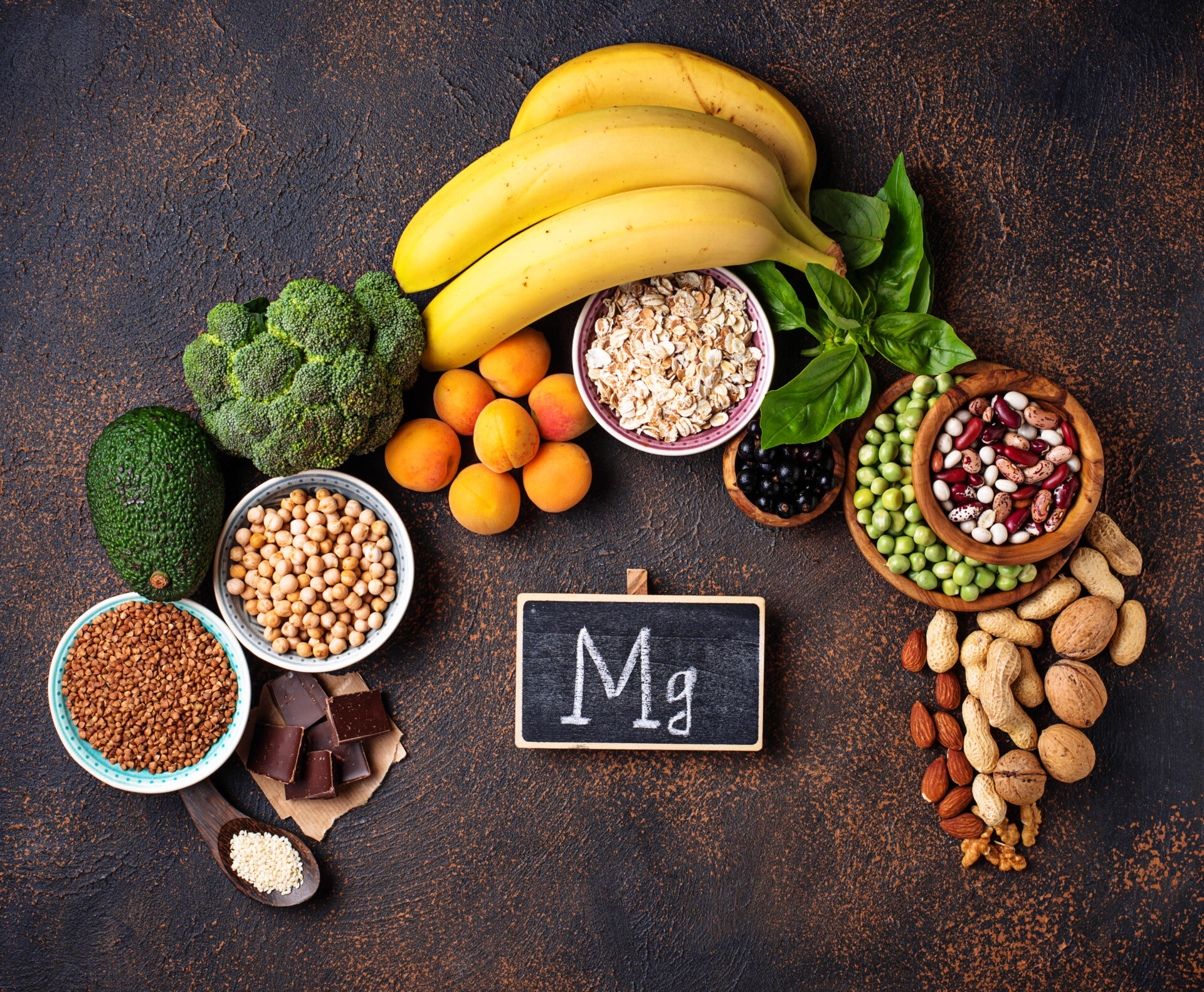
- Diet first: Include plenty of leafy greens (spinach, chard), nuts and seeds (almonds, pumpkin seeds), legumes, whole grains. These foods offer magnesium plus other nutrients that support bones (calcium, vitamin K, protein).
- Mind-body connection: Stress and chronic inflammation deplete magnesium; conversely, when magnesium is sufficient, nervous system is more resilient, sleep better — all of which support the body’s ability to repair bone.
- Supplementation & safety: When diet can’t supply, thoughtful supplementation may help — but form matters (citrate, glycinate tend to be better absorbed) and more isn’t always better. Extremely high magnesium (especially locally, e.g. around implants or in devices) can impair mineralization. Annals of Translational Medicine+1
- Synergy with other nutrients: Calcium, vitamin D, vitamin K2, protein — these all work together in bone health. Magnesium is one among many, but it is essential. When one is out of balance, the whole architecture suffers.
- Under the Ayurvedic lens, when there is magnesium deficiency, there is a classic Vata imbalance. Vata, governed by air and space, thrives on steadiness and grounding. When depleted, the nervous system gets jumpy, mind races, and sleep suffers. Magnesium-rich foods — leafy greens, sesame seeds, legumes — are Vata-pacifying because they bring earth and water back into the system: stability, lubrication, calm.
Here are some tips:
Eat your magnesium: Pumpkin seeds, spinach, sesame seeds (til), mung beans, almonds. In Ayurveda, these are considered nourishing (brimhana) and grounding — perfect for both bones and nerves.
Spice it up: Coriander, cumin, and fennel support digestion (Agni), ensuring magnesium is absorbed and used properly.
Lifestyle synergy: Stress burns through magnesium. Ayurveda prescribes Abhyanga (warm oil massage) and grounding yoga (think forward bends, restorative poses) to calm Vata and help magnesium do its job.
Supplements with wisdom: If diet isn’t enough, magnesium glycinate or citrate can help — but Ayurveda would remind us: no supplement works without strong digestion (Agni) and balanced lifestyle. And taking about types of magnesium, below is a little explanation:
When lost in translation: Remember that not all magnesium supplements are the same. Each form has a slightly different “superpower,” and knowing which to choose makes all the difference.
Magnesium Glycinate: Known for its calming properties. It binds to glycine (an amino acid that promotes relaxation), making it especially helpful for anxiety, insomnia, and nervous system overload — what Ayurveda would call pacifying a restless Vata.
Magnesium Citrate: Highly bioavailable and supportive for muscle relaxation and occasional constipation. Its mild laxative effect aligns with keeping Apana Vata (the downward energy) flowing properly.
Magnesium Malate: Often recommended for fatigue and muscle pain, as malic acid plays a role in energy production. Think Kapha imbalances where stagnation or heaviness dominates.
Magnesium Threonate: Crosses the blood–brain barrier, showing promise for memory and cognitive health. For Ayurveda, this is nourishing Majja Dhatu (nervous tissue), supporting clarity and Buddhi (intellect).
Magnesium Oxide: Less absorbable but useful short-term for digestive sluggishness.
Topical Magnesium (oil, bath flakes): Absorbs through the skin, easing muscle tension and stress. Ayurveda would see this as a modern form of Abhyanga — soothing the nervous system via touch and skin absorption.
Whether you call it Asthi & Majja Dhatu nourishment (Ayurveda) or bone density & neurotransmitter balance (science), magnesium is non-negotiable for long-term wellness. It’s not just about calm nerves; it’s also about resilient bones. And in the BeewellNews way, that’s the ultimate holistic truth: what calms the mind also strengthens the body. The Plus? It gives you the freedom to fly, inside and out.
✨ Bee Healthy, Bee Well ✨