
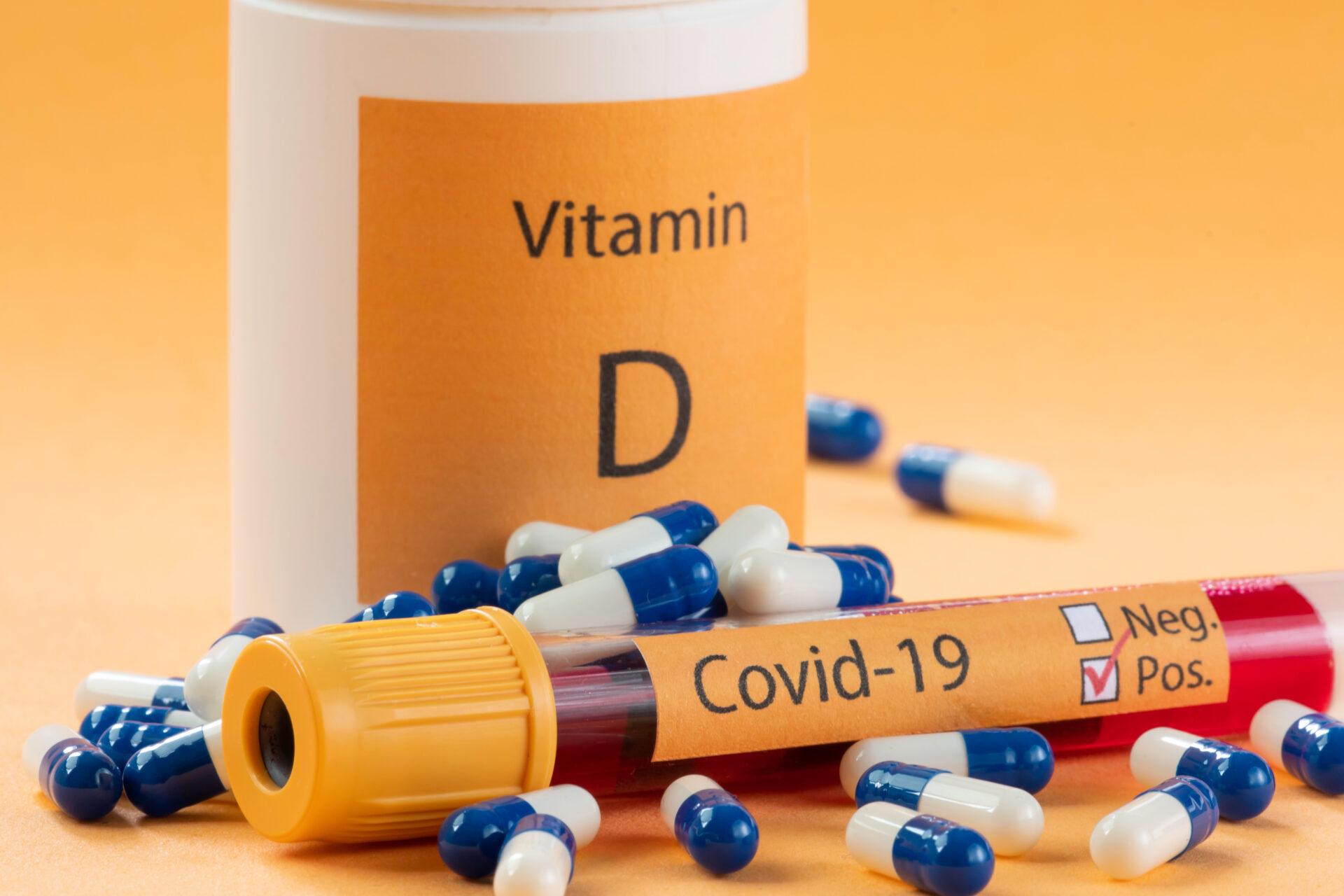
Could something as simple as vitamin D help protect you from long COVID?
Let’s start with a truth that might surprise you:
Vitamin D is not your superhero when it comes to reducing the severity of a COVID-19 infection. But—and this is where things get interesting—it might be playing a much more strategic role behind the scenes.
A new study published in The Journal of Nutrition found that while vitamin D supplementation didn’t significantly reduce how severe COVID felt during infection, it was associated with a lower risk of developing long COVID. That’s where the real story begins.
We’ve Been Asking the Wrong Question
For years, the conversation has been:
👉 “Can vitamin D prevent COVID?”
👉 “Can it make symptoms milder?”
Fair questions. But incomplete. Because what many people are dealing with today is not the infection itself—it’s what happens after.
- Brain fog
- Chronic fatigue
- Mood changes
- Nervous system dysregulation
Sound familiar? That’s long COVID. And it’s not just about the virus—it’s about how your body recovers.
Vitamin D: Less About Defense, More About Recovery

Here’s where we shift the narrative. Vitamin D is deeply involved in:
- Immune system modulation
- Inflammation control
- Neurological function
In other words, it doesn’t just help your body fight—it helps your body rebalance.
And long COVID?
It’s increasingly being understood as a condition driven by:
- Persistent inflammation
- Immune system confusion
- Nervous system imbalance
So suddenly, vitamin D isn’t about being a “shield” during infection.
It’s about being part of your recovery infrastructure.
From a Brain & Ayurveda Perspective—This Is Huge
Now let’s bring this home. The Beewellnews analysis, at the intersection of brain health, Ayurveda, and yoga therapy, observes this pattern all the time. When the body goes through stress—whether it’s emotional, physical, or viral—it doesn’t always return to baseline.
In Ayurveda, we would say that Vata becomes aggravated:

- Irregular energy
- Anxiety
- Fatigue
- Disconnection
In neuroscience, we call it nervous system dysregulation.
Different language. Same reality. And what helps bring the system back?
👉 Stability
👉 Nourishment
👉 Regulation
Vitamin D plays a quiet—but significant—role in that process.
So… Should You Be Taking Vitamin D?
Here’s where we are going to be very clear: This is not about jumping on another supplement trend.
This is about being strategic.
Because not everyone needs the same dose.
And not everyone is deficient.
Which brings us to one of our favorite concepts:
👉 Don’t guess. Test.
Vitamin D deficiency is incredibly common—especially if you:
- Spend a lot of time indoors
- Use sunscreen consistently
- Live in certain climates
- Have darker skin tones
But guessing your levels? That’s outdated. Testing gives you clarity—and control.
What Beewellnews Recommends (And Why)
If you want to support your immune system, your brain, and your long-term resilience, here’s a simple, evidence-informed approach.
☀️ 1. Vitamin D3 + K2 (Daily Foundation)
Not just vitamin D.
The combination of D3 + K2 is key.
Why?
- D3 helps your body absorb calcium
- K2 helps direct that calcium to the right places (like your bones, not your arteries)
This is where longevity meets intelligence.
Think of it as:
Absorption + direction = smarter supplementation
🧪 2. Test Your Levels (Before You Guess Your Dose)
This is where most people skip—and it’s the most important step.
An at-home vitamin D test kit can give you a clear picture of where you stand.
Because:
- Too little vitamin D = compromised immune resilience
- Too much = not ideal either
Precision matters.
🌙 3. Magnesium Glycinate (The Missing Piece)
Here’s something most people don’t know:
👉 Vitamin D doesn’t work alone.
Magnesium is required for vitamin D metabolism.
And magnesium glycinate specifically:
- Supports the nervous system
- Helps with relaxation and sleep
- Plays a role in reducing inflammation
In other words, it complements everything we’re talking about.
Let’s Talk About the Bigger Picture
👉 Health is not just about avoiding illness
👉 It’s about how well you recover—and how fully you return to yourself
The conversation around COVID—and now long COVID—is evolving.
We’re moving from:
- Emergency response
To:
- Long-term resilience
And that requires a different mindset.
The BeeWellNews Perspective
At BeeWellNews, we don’t chase trends.
We connect the dots between:
- Science
- Longevity
- Nervous system health
- Ancient wisdom
And we ask:
👉 What actually helps people feel well—long term?
This study on vitamin D is not a miracle story.
It’s something more valuable.
It’s a reminder that small, foundational elements—when used intelligently—can shape how we heal.
So What’s Your Next Step?
If you’re serious about supporting your health—not just reacting to symptoms—start here:
- Understand your baseline (test)
- Support your system (smart supplementation)
- Regulate your nervous system (lifestyle matters)
And most importantly: Stay informed—but not overwhelmed.
If you’re looking for wellness insights that blend modern science with real-world application—without the noise—
Follow BeeWellNews. To get regular reminders in your inbox, scroll down to the newsletter signup. Staying informed is the first step to your longterm independence.
Because your brain, your body, and your future self deserve more than trends.
🐝 Bee healthy. Bee well.
https://pubmed.ncbi.nlm.nih.gov/41826107
https://www.sciencedaily.com/releases/2026/03/260315001845.htm?utm_source=chatgpt.com
https://jn.nutrition.org/article/S0022-3166%2826%2900047-7/abstract?utm_source=chatgpt.com