

In an era where cognitive decline and emotional stress are increasingly prevalent, the quest for effective, natural solutions is more pressing than ever. While supplements and biohacking trends flood the market, a powerful, accessible remedy lies within our reach: regular physical activity. Beyond its well-known physical benefits, exercise profoundly impacts brain health, emotional well-being, and cellular aging. Let’s delve into five compelling, science-backed reasons to incorporate movement into your daily routine.

1) Your Brain Gets a Youth Boost (No Time Machine Required)
You know those days when you walk into a room and forget why you’re there? Yeah, those don’t have to be your destiny.
According to a major study from the American Academy of Neurology, adults who moved their bodies—even with moderate exercise—showed brain function 10 years younger than their less-active counterparts. That’s a full decade of sharper thinking!
Researchers used MRI scans to measure brain volume and found that sedentary adults had smaller brains. The brain naturally shrinks as we age, but movement literally protects brain size, especially in regions linked to memory and focus.

In Ayurveda, movement stimulates prana—your life force. When prana flows, the brain is clear, your intuition sharpens, and you radiate vitality. Have you been sitting for too long? That’s stagnant Kapha energy. Movement brings balance back.
ACTION STEP: Walk briskly 30 minutes a day or flow through a few sun salutations in the morning. You don’t need a Peloton—just a pair of shoes and a bit of willpower.
2) Protect Your DNA with Longer Telomeres
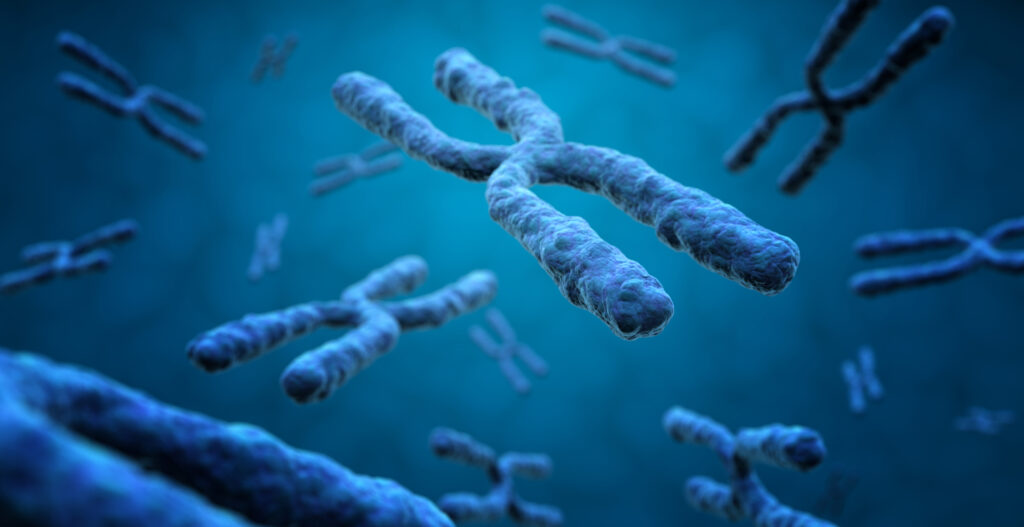
Telomeres are protective caps at the ends of chromosomes that shorten with age, leading to cellular aging. Regular exercise, particularly aerobic and high-intensity interval training, has been associated with longer telomeres, suggesting a slower aging process. When they wear down? Cells age. You age. exercise is directly linked to longer telomeres. Translation: movement slows aging at the cellular level. Long telomeres = better immune function, more energy, and a longer healthspan. Not just lifespan—healthspan.

Ayurveda calls this ojas—your body’s deepest reserve of strength and immunity. Moving your body (without depleting it) builds ojas. You glow, you recover faster, and your cells practically high-five each other.
ACTION STEP:
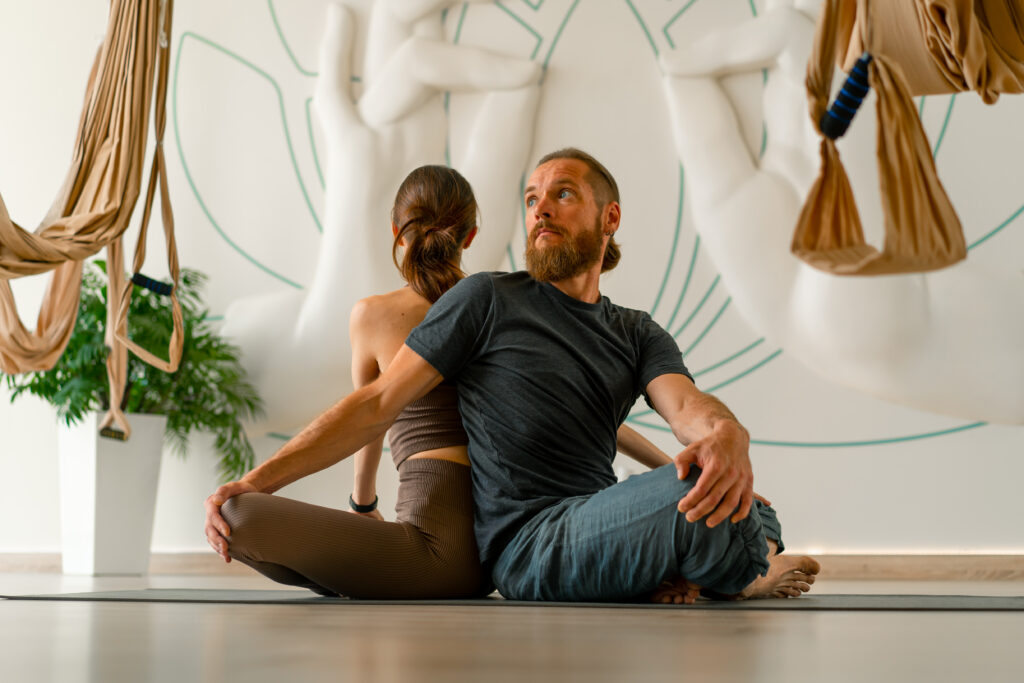
Incorporate rhythmic, joyful movements like dancing, yoga, swimming, or power walking. Not punishment—pleasure as even moderate physical activity can contribute to telomere maintenance.
3) You’re Plugging into Your Brain’s Power Grid (a.k.a. Mitochondria)

Let’s talk mitochondria—your cells’ energy factories. They’re responsible for turning food and oxygen into ATP (cell fuel). But here’s the kicker: they get sluggish with age—unless you move. According to research, regular aerobic activity increases mitochondrial density and function in both muscles and the brain. More mitochondria = better memory, more focus, and improved mood. Oh, and less reliance on that fourth espresso.
In yogic tradition and Ayurveda…

We speak of agni—the fire that digests not only food but also thoughts and emotions. Strong agni and optimal mitochondrial function are linked to clarity, vitality, and resilience. Can you guess what stokes the agni fire? You got it: movement.
ACTION STEP:

Ditch the afternoon crash. Get up and stretch, take the stairs, or do a quick vinyasa flow. Even 3 minutes of movement improves mitochondrial response.
4) Promote Brain Detoxification through Autophagy

Autophagy is the body’s way of cleaning out damaged cells and regenerating new ones. It is a biological cleaning system. Physical activity induces autophagy in various tissues, including the brain, aiding in the removal of toxic proteins associated with conditions like Alzheimer’s disease. This process contributes to improved cognitive function and overall brain health. PMC
According to a study, exercise induces autophagy in brain cells, flushing out toxic proteins like beta-amyloid—the stuff linked to Alzheimer’s. (https://pmc.ncbi.nlm.nih.gov/articles/PMC3463459)
Clean brain = clear thoughts, sharper memory, and lower inflammation.
Ayurveda’s Match:

This aligns with panchakarma, Ayurveda’s ancient detox tradition. While panchakarma uses herbs, oils, and treatments, daily movement acts like a mini detox—clearing emotional ama (toxins), too.
ACTION STEP: Build in “movement breaks” between work tasks—walk, stretch, or shake it out. Your brain’s janitorial team will thank you.

5) Improve Mood and Emotional Resilience
Ever notice how a good walk can clear your mind and make your problems seem smaller? That’s not coincidence—it’s biochemistry.
Exercise has a profound impact on mental health by modulating neurotransmitters and hormones. It increases levels of dopamine and serotonin, which are associated with improved mood and reduced symptoms of depression and anxiety. Additionally, regular physical activity lowers cortisol levels, helping to manage stress effectively. It’s been shown to be as effective as antidepressants for mild to moderate depression.
More movement = less anxiety = more confidence = you kicking life’s butt.
Vata Dosha Alert:

Are you familiar with feelings of anxiety, racing thoughts, or overwhelm? That’s classic Vata imbalance in Ayurveda. Movement—especially grounded, rhythmic, consistent movement—calms Vata and stabilizes your nervous system.
ACTION STEP: Choose grounding practices like yoga, tai chi, or walking barefoot in the grass. Need a quick fix? Try this: inhale for 4, hold for 4, exhale for 6. Then move. Taking a vata-balancing supplement can also help. See link above.
Bonus Benefit: Movement Makes You Smarter. Literally.
🧪 Yep. Regular aerobic exercise increases BDNF (Brain-Derived Neurotrophic Factor)—a growth hormone that supports neuroplasticity (aka your brain’s ability to rewire and adapt). Higher BDNF levels are linked to better learning, memory, and mental sharpness. (https://pmc.ncbi.nlm.nih.gov/articles/PMC4915811/)
Want to change a habit? Reinvent your life? Heal anxiety from the inside out? BDNF is your friend—and movement is the key.
Take the First Step Today
Because here’s the deal: your brain isn’t waiting for the “perfect time” or the “right program.” It’s ready now.
Your mitochondria are revving. Your telomeres are cheering. Your nervous system is begging for balance.
Incorporating physical activity into your daily routine doesn’t require a significant time commitment. It is a mindset shift: Move to heal, to feel, to think, and move to rise. Even short, consistent bouts of exercise can lead to substantial health benefits. Whether it’s a brisk walk, a yoga session, or a dance class, find an activity you enjoy and make it a part of your lifestyle.
SOURCES:
https://www.apa.org/topics/exercise-fitness/stress?
https://pmc.ncbi.nlm.nih.gov/articles/PMC3463459
American Academy of Neurology: Couch Potatoes May Have Smaller Brains Later in Life
National Institutes of Health: Does Exercise Affect Telomere Length?
PubMed Central: Physical Exercise and Brain Mitochondrial Fitness
PubMed Central: Exercise Induces Autophagy in Peripheral Tissues and in the Brain
Healthline: Mental Health Benefits of Exercise